Set a Spending Cap
Decide your full entertainment budget beforehand and never use essential funds.
 Register
Responsible gaming on PK 345 means making deliberate choices before, during, and after a session. Adult users should set spending and time boundaries, understand promotional conditions, protect their account, and stop whenever gaming causes pressure, financial worry, or loss of control.
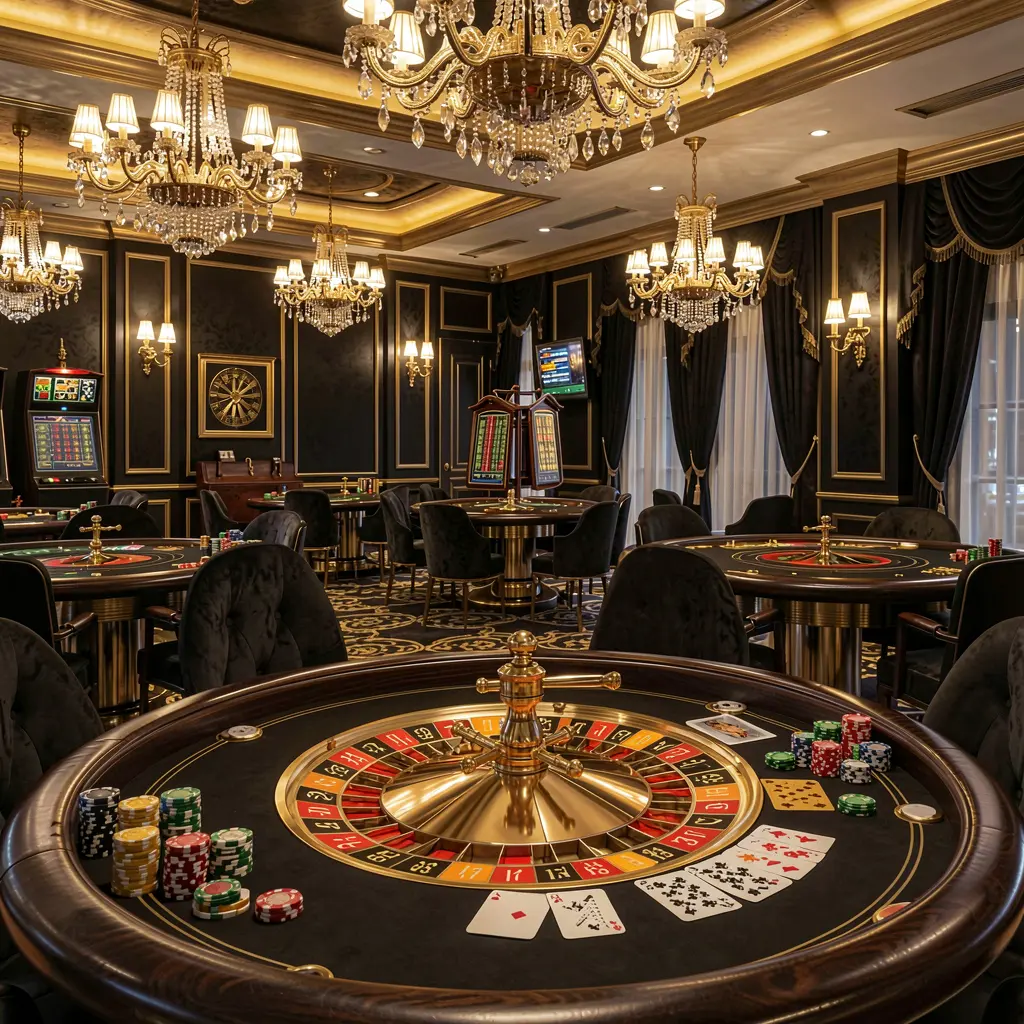
PK 345 should be viewed as optional entertainment by adults, never as a dependable way to make money or repair a difficult financial situation. Results are uncertain, so any amount used should be affordable to lose without affecting daily responsibilities.
Set a maximum spend before opening the site, and keep that amount separate from food, housing, transport, education, savings, debt repayments, and family expenses. Do not raise the limit after a loss, a win, or an appealing promotion.
Time deserves the same attention as money. Choose a session end time, use a reminder if needed, and leave when it arrives. Longer sessions can make decisions less careful and increase the temptation to make unplanned deposits.
Users in Bangladesh should also consider the rules that apply where they live. Website access does not confirm that every related activity is permitted, so users should understand local requirements and avoid conduct that may create legal or personal risk.
Decide your full entertainment budget beforehand and never use essential funds.
Choose an end time before logging in and respect it.
A previous loss is not a reason to deposit again.
Read conditions and decline promotions that exceed your planned limits.
Protect passwords and verification codes from friends, agents, and strangers.
A simple routine can make gaming decisions clearer and reduce impulsive behaviour. The aim is not to extend a session or unlock every offer, but to follow limits chosen while calm and away from pressure.
Only consider a session when you feel rested and calm. Avoid playing when upset, lonely, stressed, intoxicated, or focused on recovering money from an earlier result.
Write down a small affordable amount and a finish time before using the account. Do not change either boundary during the session, even if results move unexpectedly.
Check promotion requirements, expiry dates, eligible activities, wagering conditions, and withdrawal restrictions. If an offer is confusing or encourages extra spending, leave it unused.
When the session ends, sign out and review whether you followed the original plan. If you ignored a limit, take a break before deciding whether to return.
Taking a break is a responsible response when gaming begins to feel urgent, secretive, or emotionally difficult. Notice patterns early rather than waiting for them to affect finances, relationships, work, study, sleep, or other everyday commitments.
If these signs occur, stop further play and avoid making another deposit. Speak with someone you trust about what is happening. Specialist gambling harm or financial support may be helpful when responsibilities or wellbeing are affected.
A pause can be short or long, depending on the situation. Consider reducing access, removing saved login details from shared devices, or using any available account restriction options before returning to online gaming.
Account protection supports responsible gaming by preventing unwanted access and rushed decisions. Use a unique, strong password, keep verification codes confidential, and sign out after use, especially when using a phone or computer shared with others.
Be cautious with unsolicited messages, unofficial groups, and anyone offering secret methods, account recovery, or guaranteed outcomes. Do not share login details, identity documents, wallet information, or one-time codes through informal channels.
Where available, users can explore features such as spending limits, cooling-off periods, self-exclusion, transaction records, or account closure. These tools can create useful distance when personal limits are difficult to maintain consistently.
The healthiest approach is to keep PK 345 optional and easy to leave behind. Stop if gaming causes debt, conflict, secrecy, or distress, and seek trusted personal or professional support when a break feels difficult.
Answers to common questions about spending limits, promotions, breaks, account protection, and safer PK 345 use.
It means treating PK 345 as optional adult entertainment, setting affordable money and time limits, avoiding loss chasing, reading offer conditions, protecting account details, and stopping when gaming causes stress or harms daily life.
Choose an amount before logging in that is separate from essential expenses, savings, debt payments, and family needs. Consider it fully spendable entertainment money and do not increase it during the session.
Take a break if you exceed limits, make repeated deposits, chase losses, hide activity, borrow money, lose sleep, or feel that gaming is needed to solve emotional or financial problems.
No. Promotions are optional and may have conditions. Review the requirements, deadlines, eligible activities, and withdrawal restrictions, then decline any offer that does not fit your original budget and time plan.
Use a strong unique password, keep OTPs and login information private, avoid shared devices where possible, sign out after use, and ignore unofficial messages requesting personal or account details.